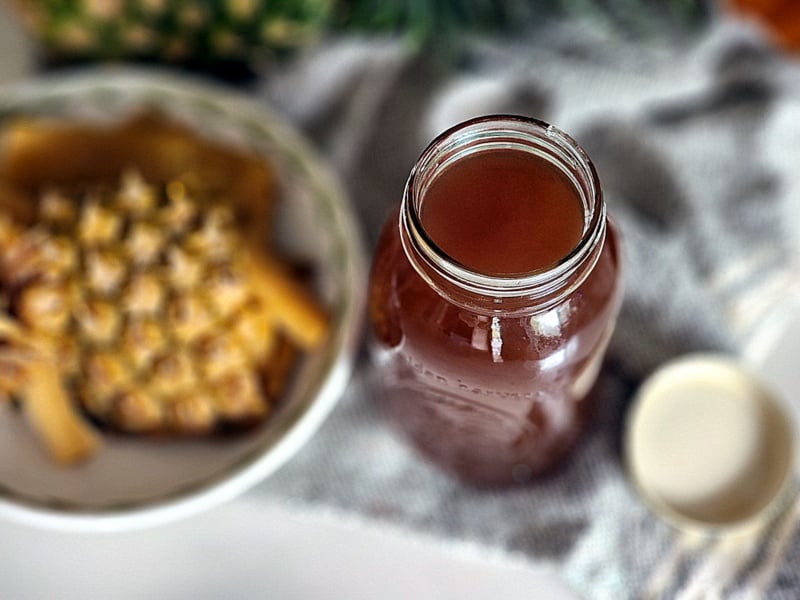
The luscious, vibrant taste of pineapple often brings to mind sunny beaches and refreshing drinks. But what if we told you that some of the most beneficial parts of this tropical fruit are often discarded? We're talking about the skin – that rough, textured exterior many toss without a second thought. Enter pineapple skin tea, a delicious, zero-waste beverage gaining popularity for its unique flavor and health perks. However, as more people discover the nutritional treasures within the peel, a crucial question arises: Pineapple Skin Tea Safety: Organic or Not? This comprehensive guide will delve into everything you need to know to enjoy your pineapple skin tea with peace of mind.
The Sweet Dilemma: Pineapple Skins and the "Clean 15" List
For years, pineapple has been a darling of the "Clean 15" list, an annual guide highlighting fruits and vegetables least likely to contain pesticide residues, even when conventionally grown. The reasoning was straightforward: the pineapple's thick, inedible skin acts as a natural barrier, protecting the sweet, juicy flesh from direct contact with most chemicals. Consumers typically discard this outer layer, along with any potential residues, making conventional pineapple a seemingly worry-free choice.
However, this narrative takes a fascinating turn when we consider the burgeoning interest in pineapple skin tea. It turns out that those rugged skins are far from nutritionally inert. In fact, they are a powerhouse of beneficial compounds, most notably bromelain. This remarkable enzyme is celebrated for its potent anti-inflammatory properties, its ability to aid digestion, and even its potential role in wound healing.
Many health enthusiasts and juice advocates have long recognized this, opting to juice whole pineapples, skin and all, to capture every bit of this valuable enzyme. But if we're now intentionally extracting nutrients from the skin for a zero-waste digestive aid like pineapple skin tea, does the "Clean 15" logic still hold up? The argument that pesticide residues are simply "thrown away with the skin" becomes moot if the skin is precisely what we're after. This shift in perspective is key to understanding why opting for organic might be a more prudent choice when preparing your delicious pineapple skin tea.
Navigating Pesticide Concerns: Organic vs. Conventional Pineapple
Given the wealth of nutrients, particularly bromelain, nestled within pineapple skins, the question of pesticide exposure becomes paramount. While the thick skin does offer some protection to the fruit's interior, the exterior surface can still harbor residues from pesticides, herbicides, and fungicides used during cultivation. When you're making pineapple skin tea, you're essentially steeping these outer layers in hot water, potentially extracting more than just beneficial compounds.
Concerns over pesticide use are not unfounded. A quick search reveals ongoing discussions and controversies surrounding agricultural practices in major pineapple-producing regions, such as Costa Rica. These discussions often highlight issues not only with consumer exposure but also with environmental impact and worker safety. While these debates don't always directly quantify consumer risk from skin residues, they underscore the broader challenges associated with conventional farming.
Making an Informed Choice
- Opt for Organic: If you plan to make pineapple skin tea regularly, buying organic pineapple is the safest bet. Organic farming practices strictly prohibit synthetic pesticides, ensuring that the skins you use are as clean as possible. While organic produce can sometimes be pricier, the peace of mind, especially when consuming parts normally discarded, is often worth the investment.
- Thorough Washing for Conventional: If organic pineapple isn't available or feasible, rigorous washing of conventional pineapple skins is crucial. Don't just rinse them under the tap. Use a stiff brush and scrub the entire surface thoroughly under running water. Some people also opt for a natural fruit and vegetable wash, or a DIY solution of water and vinegar/baking soda, to further eliminate surface contaminants.
- Consider Your Consumption Frequency: For occasional enjoyment of pineapple skin tea, meticulous washing of conventional skins might suffice. For regular consumption, leaning towards organic significantly reduces potential exposure to residues.
Brewing Beyond the Basics: Making Your Own Pineapple Skin Tea
Once you've made an informed decision about sourcing your pineapple, the exciting part begins: transforming those forgotten peels into a vibrant, nutritious beverage. Making pineapple skin tea is surprisingly simple, deeply satisfying, and a wonderful way to embrace a zero-waste lifestyle.
What You'll Need:
- Skins from 1-2 pineapples (preferably organic)
- Water (filtered, if possible)
- Optional flavor enhancers: fresh ginger, turmeric root, cinnamon sticks, honey, organic sugar, lemon/lime slices.
Step-by-Step Brewing Guide:
- Prepare Your Skins: First, ensure your pineapple skins are clean. If using conventional pineapple, scrub them vigorously with a vegetable brush under cold running water. You can even give them a quick soak in a vinegar-water solution (1:3 ratio) for 10-15 minutes, followed by another rinse. If you don't have enough skins from one pineapple, simply store them in an airtight bag in the freezer until you accumulate a sufficient amount.
- Combine and Simmer: Place the clean pineapple skins in a large pot. Add enough water to cover the skins by about an inch or two.
- Add Your Enhancements: This is where you can truly customize your pineapple skin tea.
- For a digestive boost and warming spice: Add a few slices of fresh ginger (peeled or unpeeled), or a few slices of fresh turmeric root.
- For aromatic comfort: Toss in a cinnamon stick or two.
- For a bright, zesty note: Include a few lemon or lime slices.
- Boil and Steep: Bring the mixture to a boil over high heat. Once boiling, reduce the heat to medium-low, cover the pot, and let it simmer for at least 45 minutes to an hour. Simmering allows the flavors and beneficial compounds to fully infuse into the water. For a stronger brew, you can simmer for up to 90 minutes.
- Strain and Mash: Carefully remove the pot from the heat. Strain the liquid through a fine-mesh sieve into a heat-proof bowl or pitcher, discarding the solids. For an even more concentrated brew and to extract every last drop of goodness, you can use a potato masher to press down on the cooked skins in the sieve before discarding them.
- Sweeten and Serve: Your pineapple skin tea is now ready! Sweeten to taste with honey, maple syrup, or organic sugar. It can be enjoyed warm for a comforting treat, or chilled over ice for a refreshing summer drink. Store any leftover tea in an airtight container in the refrigerator for up to 3-5 days.
The star ingredient in pineapple skin, bromelain, is a powerful digestive enzyme. For a deeper dive into its benefits, check out Bromelain Boost: Why Pineapple Skin Tea Is Your New Digestion Aid.
Maximizing Benefits and Ensuring Safety
Beyond the delightful taste and zero-waste aspect, pineapple skin tea offers a host of potential health benefits, largely attributed to the concentrated bromelain, fiber, antioxidants, and other vitamins and minerals present in the skin. To truly maximize these benefits while prioritizing safety, consider these additional tips:
- Source Wisely: As discussed, opting for organic pineapple is the gold standard for reducing pesticide exposure. If growing your own pineapple, you have complete control over its cultivation, offering the ultimate peace of mind.
- Peel with Purpose: While the goal is to use the skin, if you're particularly concerned about residues on conventional pineapple, you can choose to very lightly shave off the outermost, prickliest layer of the skin before brewing. Be aware that this might reduce the concentration of bromelain and other compounds found just beneath the surface.
- Consider Fruit Washes: For an extra layer of caution with conventional pineapples, specialized fruit and vegetable washes are available, designed to break down waxes and residues more effectively than water alone.
- Listen to Your Body: While pineapple and bromelain are generally safe for most people, some individuals may experience allergic reactions (mouth itching, rash, digestive upset). Bromelain can also interact with certain medications, such as blood thinners, as it can increase their effects. If you are pregnant, nursing, or have any underlying health conditions, it's always wise to consult with a healthcare professional before incorporating new remedies like pineapple skin tea into your routine.
- Batch and Store: Making a larger batch of pineapple skin tea and storing it in the fridge makes it convenient to enjoy throughout the week. You can reheat it or enjoy it cold. For longer storage, you can even freeze individual portions.
By making informed choices about your pineapple source and preparation, you can confidently enjoy the rich flavors and healthful properties of this unique beverage. It’s a testament to the idea that sometimes, the greatest treasures are found in the parts we once overlooked.
Embracing pineapple skin tea is more than just a culinary trend; it's a conscious choice to minimize waste, maximize nutrition, and explore the full potential of a beloved fruit. By understanding the safety considerations, particularly around organic versus conventional produce, you can brew and enjoy this vibrant tea with confidence and a clear conscience. Whether you're seeking digestive support, a natural anti-inflammatory boost, or simply a delicious, warming drink, pineapple skin tea offers a unique blend of flavor and wellness, making it a worthy addition to your daily ritual.
