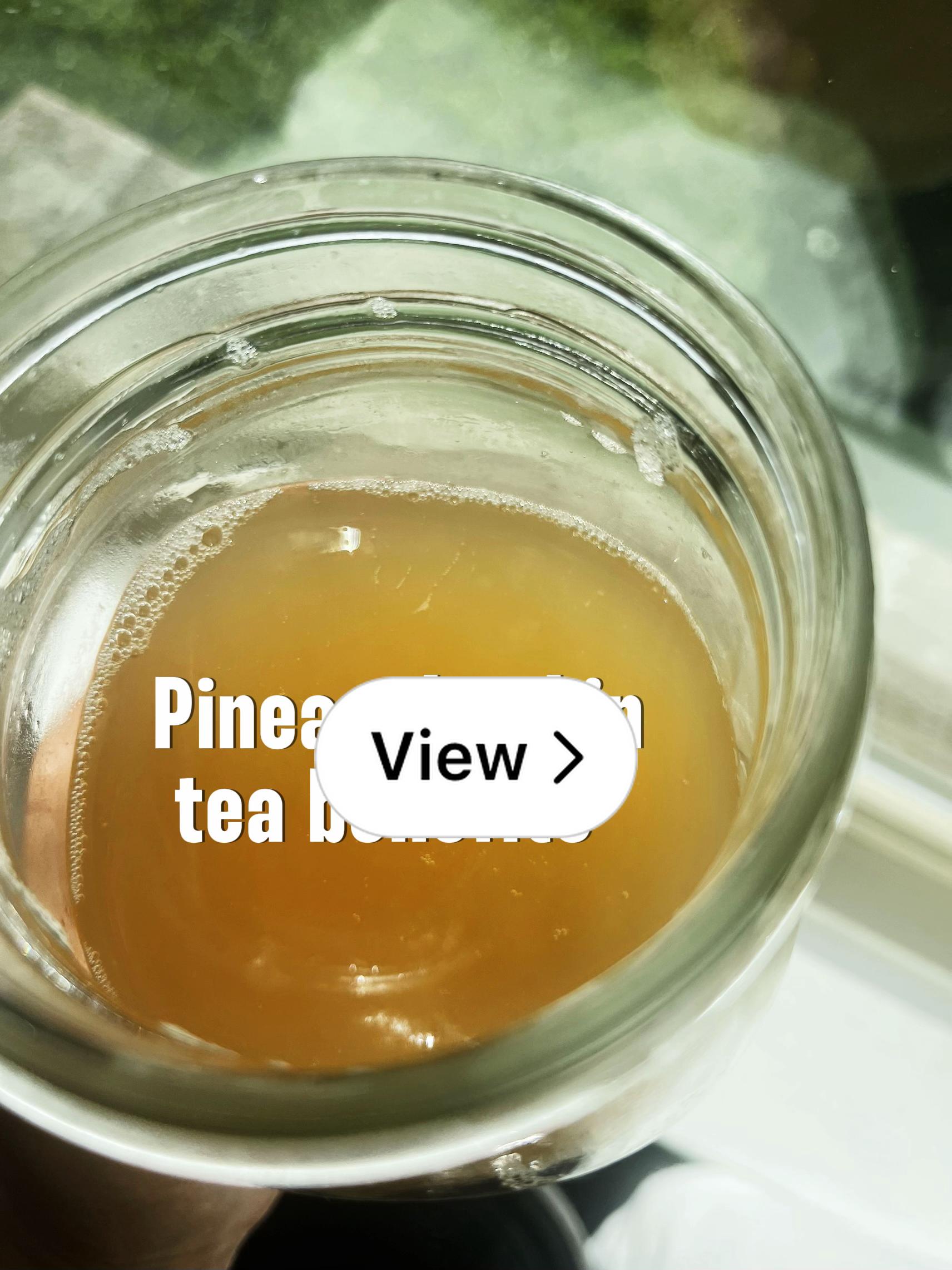
Unlock the Hidden Potential: Your Guide to Easy Pineapple Skin Tea for Digestion & Zero Waste
In a world increasingly focused on health and sustainability, we're constantly searching for innovative ways to nourish our bodies and minimize our ecological footprint. What if we told you that one of the most powerful elixirs for digestion and a prime example of zero-waste living has been hiding in plain sight, often relegated to the compost bin? Enter pineapple skin tea – a surprisingly delicious and incredibly beneficial brew crafted from the often-discarded outer layers of your favorite tropical fruit. Pineapple, a vibrant symbol of the tropics, is celebrated for its sweet, tangy flavor and juicy flesh. But while we've savored the fruit, we've inadvertently overlooked a treasure trove of nutrients nestled within its rugged skin. This article will guide you through the journey of transforming pineapple peels into a warming, gut-friendly tea, unlocking a world of wellness and contributing to a more sustainable kitchen.The Hidden Power of Pineapple Skins: More Than Just Waste
When you peel a pineapple, you're not just removing a protective layer; you're discarding a significant source of nutritional value. The skin, along with the core, is packed with beneficial compounds that can contribute significantly to your health. The star player in pineapple skins is undoubtedly bromelain. This complex mixture of enzymes is renowned for its powerful anti-inflammatory and digestive properties. Found in higher concentrations in the stem and skin than in the fruit's flesh, bromelain helps to break down proteins, aiding in digestion and reducing bloating. Beyond digestive support, bromelain has been studied for its potential role in reducing swelling, speeding up healing, and even offering immune system support. For a deeper dive into this incredible enzyme, explore our article on Bromelain Boost: Why Pineapple Skin Tea Is Your New Digestion Aid. Historically, pineapples have often appeared on the "Clean 15" list, a designation for produce with lower pesticide residues, partly due to their thick, protective skin. The argument was that any chemicals would reside on the outer layer, which is typically discarded. However, when we consider using the skins for tea, this narrative shifts. If we're intentionally consuming the skins, the source of your pineapple becomes more critical. While a thick skin might offer some protection, choosing organic pineapples or growing your own provides the greatest peace of mind. For a comprehensive look at the safety aspects and the organic vs. conventional debate, don't miss our detailed guide: Pineapple Skin Tea Safety: Organic or Not? What You Need to Know. Beyond bromelain, pineapple skins contain various vitamins, minerals, and antioxidants, albeit in smaller concentrations than the flesh. The act of brewing them extracts these beneficial compounds into a warming, golden liquid, offering a natural and wholesome way to incorporate these nutrients into your diet. This commitment to utilizing the entire fruit also aligns perfectly with zero-waste principles, transforming what would be kitchen waste into a valuable resource.Crafting Your Own Wellness Brew: The Pineapple Skin Tea Recipe
Making pineapple skin tea is remarkably simple and requires minimal effort for a maximum return on flavor and wellness. It's a comforting ritual that turns a discarded item into a golden elixir, perfect for a busy day when you need something quick and genuinely beneficial.Gather Your Ingredients:
- Skins and core from one whole pineapple (ideally organic, thoroughly washed)
- 5-6 cups of filtered water (enough to cover skins by about an inch)
- 1-2 inches fresh ginger, sliced or grated (adjust to taste for more kick)
- 1 inch fresh turmeric, sliced or grated (for earthy notes and anti-inflammatory boost)
- 1-2 cinnamon sticks (for warmth and spice)
- A few sprigs of fresh rosemary (optional, for an aromatic, homey touch)
- Juice of half a lemon or lime (for brightness)
- Sweeteners to taste: honey, maple syrup, organic sugar, or a homemade ginger syrup (see below)
Step-by-Step Brewing Instructions:
- Prepare Your Pineapple Skins: Start by thoroughly washing your whole pineapple under running water. A scrub brush can help remove any dirt or surface impurities. Once clean, peel the pineapple, keeping the skin and the fibrous core. If you don't have enough skins from one pineapple, you can collect them over time and store them in a freezer-safe bag in your freezer until you've accumulated a good amount.
- Combine Ingredients: Place the washed pineapple skins and core into a large pot. Add the sliced ginger, turmeric, cinnamon sticks, and rosemary (if using).
- Add Water: Pour enough filtered water into the pot to cover the pineapple skins by approximately one inch. This usually translates to about 5-6 cups, depending on the size of your pineapple.
- Bring to a Boil: Place the pot on the stove over high heat and bring the mixture to a rolling boil. Let it boil vigorously for 5-10 minutes. This initial high heat helps to extract flavors quickly.
- Simmer to Perfection: Reduce the heat to medium-low, cover the pot, and let the tea simmer gently for 45 minutes to 1 hour. This longer simmering period is crucial for extracting the maximum amount of bromelain, flavor, and other beneficial compounds from the skins. The longer it simmers, the more potent and flavorful your tea will be.
- Strain the Liquid: Carefully remove the pot from the heat. Place a fine-mesh strainer over a large bowl or another pot. Pour the contents of the pot through the strainer, separating the liquid from the solids. To ensure you extract every last drop of precious liquid, use a spoon or even a potato masher to press down on the cooked pineapple skins in the strainer. This helps release any remaining juices.
- Sweeten and Serve: Discard the spent pineapple skins (or compost them!). You'll be left with a beautiful, golden liquid. Add the fresh lemon or lime juice. Now, sweeten your pineapple skin tea to your desired taste. Honey and maple syrup are excellent natural choices. If you prefer, you can prepare a simple ginger syrup beforehand for an extra layer of warmth and sweetness:
- Homemade Ginger Syrup: Slice 5 oz of fresh ginger into 1/4-inch slices. Combine with 1 cup of water and 1 cup of organic sugar (or less, to taste) in a saucepan. Bring to a simmer, stirring until sugar dissolves. Let it simmer for 15-20 minutes until slightly thickened. Strain out the ginger and store the syrup in a jar in the refrigerator.
Serve your pineapple skin tea warm, or chill it for a refreshing iced version. It stores well in the refrigerator for up to 3-5 days.
Beyond Digestion: The Multifaceted Benefits of Pineapple Skin Tea
While its prowess as a digestive aid is undeniable, pineapple skin tea offers a spectrum of benefits that extend far beyond your gut.- Anti-Inflammatory Powerhouse: Thanks to bromelain and the added ginger and turmeric, this tea is a potent anti-inflammatory brew. It can help soothe muscle soreness, reduce joint discomfort, and calm systemic inflammation in the body.
- Immune System Support: Pineapple contains vitamin C, and combined with the immune-boosting properties of ginger and turmeric, this tea becomes a formidable ally against seasonal sniffles and everyday pathogens.
- Hydration with Benefits: Staying hydrated is crucial for overall health. This flavorful tea offers a more exciting alternative to plain water, encouraging you to drink more while simultaneously infusing your body with beneficial compounds.
- Antioxidant Boost: The combination of pineapple skins, ginger, and turmeric provides a rich source of antioxidants, which combat free radicals in the body, protecting cells from damage and supporting long-term health.
- Comfort and Wellness Ritual: There's an undeniable comfort in sipping a warm, homemade beverage. The aromatic spices create a soothing experience, helping to reduce stress and foster a sense of well-being.
Tips for the Perfect Pineapple Skin Tea & Creative Variations
To make your pineapple skin tea truly exceptional, consider these tips and unleash your creativity:- Choose Wisely: Always opt for a fresh, ripe pineapple. Ripe pineapples will yield more flavorful skins. If possible, choose organic to minimize exposure to pesticides, especially since you're consuming the skins.
- Thorough Cleaning is Key: Even with organic pineapples, give the skin a good scrub with a vegetable brush under running water to remove any lingering dirt or debris.
- Freeze for Later: Don't feel pressured to make tea every time you cut a pineapple. Bag and freeze the skins and core until you have enough or are ready to brew.
- Experiment with Spices: While ginger, turmeric, and cinnamon are classics, feel free to add other warming spices like cloves, star anise, cardamom pods, or even a few black peppercorns for an extra kick (peppercorns also enhance turmeric absorption!).
- Citrus Boost: A squeeze of fresh orange or grapefruit can add another layer of flavor and vitamin C. You can even add a few citrus peels (organic, well-washed) during the simmering process.
- Sweetener Alternatives: Beyond honey and sugar, consider agave nectar or even stevia for a low-calorie option. Taste and adjust to your preference.
- Serving Suggestions: Enjoy it hot on a chilly morning, or pour it over ice with a slice of lime for a refreshing summer drink. It can also be a base for smoothies or even used in cooking, adding a tropical, spiced depth to broths or sauces.
